
Morse Sewing Machine Manual: A Comprehensive Guide
This manual delves into the world of Morse sewing machines, offering insights into models like the 4100, 4300, 4400, 4500, and 2000ec. Discover maintenance, troubleshooting, and parts sourcing!
Morse sewing machines, often manufactured by Toyota, represent a legacy of quality and durability within the home sewing community. Many vintage enthusiasts consider models like the Fotomatic 4400 as reliable “daily drivers.” Identifying your machine’s model – such as J-A 19, 4100, or 2000ec – is crucial for finding appropriate parts and manuals. Proper maintenance, utilizing oils like Tri-Flow, ensures longevity. This guide aims to unlock the potential of your Morse machine.
Historical Overview of the Morse Sewing Machine Company
The Morse Sewing Machine Company gained prominence by producing dependable machines, frequently built under license by Toyota, a manufacturer renowned for automotive and industrial precision. While detailed historical records are scarce, the brand established a strong following, particularly for models like the 4100 Zig Zag and 4400 Fotomatic. Many users report continued functionality even today, highlighting the build quality and enduring design of these vintage machines.
Identifying Your Morse Sewing Machine Model
Accurate identification is crucial for finding parts and manuals. Locate the model and serial number, typically found on the machine’s body. A “J-A 19” prefix often indicates Toyota manufacturing. The alphanumeric series following this is likely the serial number. Knowing your specific model – such as 4100, 4300, 4400, 4500, or 2000ec – unlocks access to relevant resources and support.
Locating the Model and Serial Number
Finding these identifiers is the first step! The model and serial number are usually prominently displayed on the machine itself. Look for a metal plate or stamped markings on the body, often near the motor or handwheel. The “J-A 19” designation, if present, precedes the serial number. Careful observation will reveal these vital pieces of information for accurate identification.
Decoding the Model Number (e.g., J-A 19, 4100, 4300, 4400, 4500, 2000ec)
Understanding the alphanumeric code unlocks your machine’s history. “J-A 19” signifies Toyota manufacturing – a mark of quality. Numbers like 4100, 4300, 4400, 4500, and 2000ec denote specific Morse models with unique features. These numbers help pinpoint compatible parts, manuals, and troubleshooting guides. Decoding reveals the machine’s capabilities and origin!
Common Morse Sewing Machine Models
Morse produced several popular machines, each with distinct characteristics. The 4100 Zig Zag is a vintage favorite, while the Fotomatic 4400 stands out as a reliable “daily driver.” The 4300 Zig Zag Fotomatic offers combined functionality, and the 4500 provides robust performance. The 2000ec remains a well-regarded, working model today, showcasing Morse’s enduring quality.
Morse Model 4100 Zig Zag: Features and Usage
The vintage Morse Model 4100 Zig Zag is highly sought after for its dependable performance. Often found untested, it’s a testament to build quality. This machine excels at basic sewing and zigzag applications. Replacement parts, including the often-missing bobbin winder tire, are available from sources like local shops and Sew-Classic. Proper oiling with Tri-Flow is recommended for optimal operation.
Morse Fotomatic 4400: A Daily Driver Favorite
The Morse Fotomatic 4400 consistently receives praise as a reliable “daily driver” among vintage sewing machine enthusiasts. Many owners report using it frequently alongside other machines. Its robust construction and straightforward operation contribute to its enduring popularity. Finding information and support within online communities, like Reddit’s r/vintagesewing, is readily available for this beloved model.
Morse Model 4300 Zig Zag Fotomatic: Detailed Examination
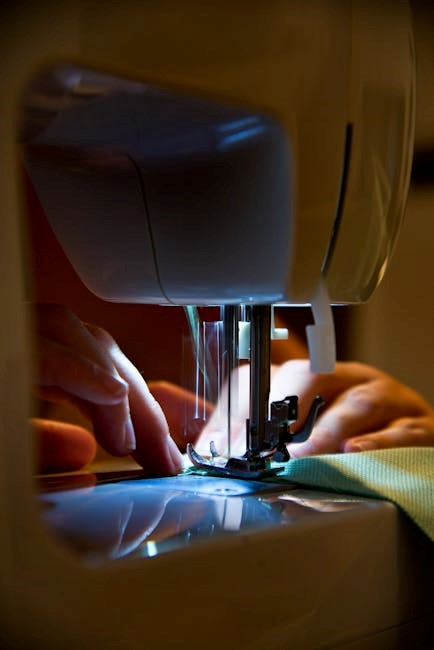
The Morse Model 4300 Zig Zag Fotomatic is a highly regarded machine known for its versatility. Often discussed on online forums like Quiltingboard, it’s praised for its zig-zag capabilities and overall dependability. Owners frequently seek information regarding parts and maintenance, finding resources at Sew-Classic. This model represents a sweet spot between features and user-friendliness.
Morse Model 4500: Overview and Potential Issues
The Morse Model 4500, often a cherished family heirloom, is a robust machine capable of handling various fabrics. While generally reliable, potential issues can arise with age, requiring inspection of internal components. Users on PatternReview.com share experiences and seek guidance for restoration. Regular cleaning and lubrication are key to maintaining its functionality and preserving its legacy.
Morse Model 2000ec: Characteristics and Operation
The Morse 2000ec is noted as a “very nice machine” still functioning well for many owners, according to online discussions. Finding a dedicated manual can be challenging, prompting users to seek information from sewing communities. Its enduring performance highlights the quality of Morse construction. Proper maintenance, including oiling with Tri-Flow, ensures continued reliable operation for years to come.
Essential Maintenance and Troubleshooting
Maintaining your Morse machine involves regular cleaning and lubrication. Tri-Flow oil is consistently recommended by experienced users as an excellent choice, readily available from sources like Sew-Classic. A common repair involves replacing the rubber tire on the bobbin winder, also obtainable from sewing machine shops or Sew-Classic. Addressing these issues proactively ensures smooth operation.
Oil Recommendations: Tri-Flow Oil and Alternatives
For optimal performance, Tri-Flow oil emerges as the preferred lubricant for Morse sewing machines, frequently cited by enthusiasts. While alternatives exist, Tri-Flow consistently receives high praise for its ability to maintain the machine’s intricate mechanisms. Regular oiling, using a quality product like Tri-Flow, is crucial for longevity and smooth, quiet operation.
Bobbin Winder Repair: Replacing the Rubber Tire
A common issue with Morse sewing machines involves the bobbin winder’s rubber tire deteriorating. Fortunately, this is a straightforward repair! Replacement tires are readily available from local sewing machine shops (LSMS) or online retailers like Sew-Classic. Replacing the worn tire restores proper bobbin winding tension, ensuring consistent stitch quality and preventing frustrating interruptions during sewing projects.
General Cleaning and Lubrication Procedures
Regular cleaning is vital for a Morse sewing machine’s longevity. Remove lint and dust with a brush, focusing on the bobbin area and feed dogs. Crucially, use Tri-Flow oil – recommended by experts and available at Sew-Classic – for lubrication. Apply sparingly to moving parts, avoiding plastic components. Proper lubrication ensures smooth operation and prevents wear and tear.
Understanding Morse Sewing Machine Parts
Key components of a Morse machine include the needle, bobbin, presser foot, and feed dogs. Familiarize yourself with each part’s function for effective maintenance. Locating replacements can be done through local sewing machine shops or online retailers like Sew-Classic. Understanding these parts is essential for repairs and ensuring optimal sewing performance.
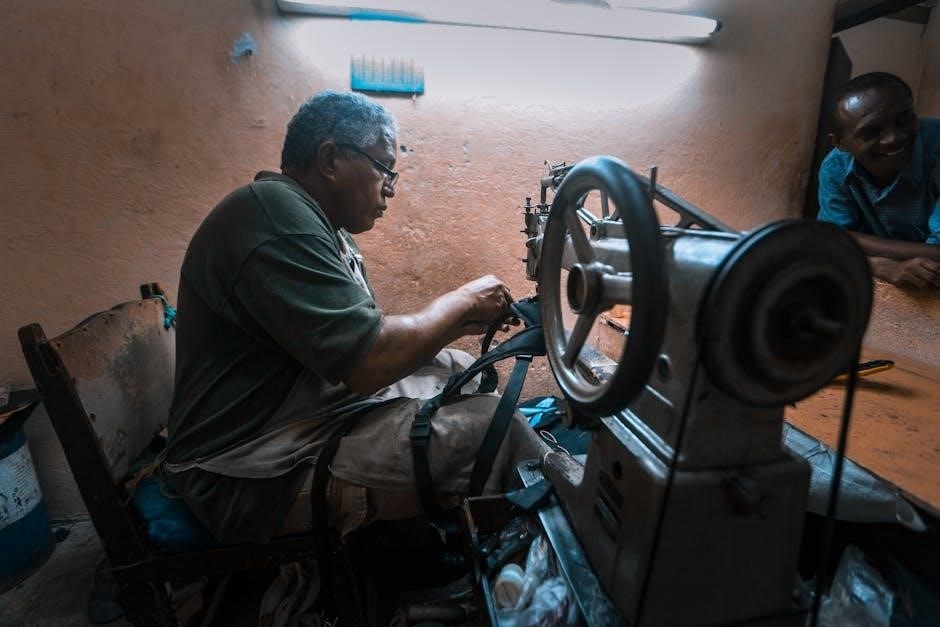
Identifying Key Components (Needle, Bobbin, Presser Foot, etc.)
The needle facilitates stitch formation, while the bobbin holds the lower thread. Presser feet guide fabric, and feed dogs advance material during sewing. Recognizing these parts—and their interplay—is crucial. A missing bobbin winder rubber tire is a common issue, easily addressed with replacements from local shops or Sew-Classic. Proper identification aids maintenance.
Sourcing Replacement Parts (Local Sewing Machine Shops, Sew-Classic)
Finding parts for vintage Morse machines can be straightforward. Local sewing machine shops (LSMS) often stock common items like bobbin tires. Sew-Classic (http://www.shop.sew-classic.com/) is a dedicated online resource, offering a wide selection of Morse-specific components. They also carry essential maintenance products like Tri-Flow oil, ensuring your machine runs smoothly for years to come.
Using Cams and Attachments
Morse sewing machines utilize cams to create diverse stitch patterns. Crucially, the 877 prefix in a model number signifies cam compatibility. Identifying the correct cam for your specific Morse model is key to unlocking its full potential. Resources and online communities can assist in locating appropriate cams, expanding your machine’s creative capabilities and functionality.
The Significance of the 877 Prefix for Cam Compatibility
The 877 prefix is a vital identifier when seeking compatible cams for your Morse sewing machine. This designation indicates that the machine is designed to accept a specific range of cams, enabling a wider variety of stitch patterns. Understanding this prefix is essential for successfully expanding your machine’s functionality and achieving desired sewing results.
Finding Appropriate Cams for Your Model
Locating the correct cams requires referencing your Morse sewing machine’s model number. Online forums like Quiltingboard and Reddit’s r/vintagesewing can offer valuable advice from experienced users. Sew-Classic is a key resource for sourcing vintage parts, including cams, ensuring compatibility and expanding your machine’s stitching capabilities. Careful research is crucial!
Resources for Morse Sewing Machine Manuals and Information
Numerous online platforms provide support for Morse sewing machine owners. Quiltingboard, Reddit’s r/vintagesewing, and PatternReview.com host active communities sharing knowledge and manuals. Sewing machine manual databases also offer downloadable resources. These forums are invaluable for troubleshooting, identifying models, and connecting with fellow enthusiasts seeking information.
Online Forums (Quiltingboard, Reddit r/vintagesewing, PatternReview.com)
Engage with vibrant communities on Quiltingboard, Reddit’s r/vintagesewing, and PatternReview.com for Morse machine support. Users frequently discuss model identification, troubleshooting, and parts sourcing. These forums offer a wealth of collective experience, providing solutions to common issues and a space to share restoration journeys. Active participation unlocks valuable insights!
Sewing Machine Manual Databases
Locating original Morse manuals can be challenging, but online databases offer potential solutions. While a dedicated Morse database is elusive, broader sewing machine archives may contain relevant documentation. Explore resources compiling manuals from various brands, hoping to uncover a match for your specific model. Patience and diligent searching are key to success in this endeavor.
Comparing Morse to Other Brands (Kenmore, Singer, Riccar, Husqvarna/Viking)
Interestingly, many Kenmore sewing machines were actually manufactured by Morse, creating a potential overlap in parts and functionality. This means Kenmore manuals might offer insights for Morse models. While Singer, Riccar, and Husqvarna/Viking represent distinct lineages, understanding this Kenmore connection can aid in troubleshooting and repair, expanding your resource pool.
Kenmore and Morse: Potential Overlap in Manufacturing
Evidence suggests a significant number of Kenmore sewing machines were produced by Morse, particularly during certain periods. This OEM relationship means parts compatibility exists, and Kenmore manuals can be valuable resources for Morse machine owners. Recognizing this manufacturing link simplifies repairs and expands access to documentation, offering a broader support network.
Advanced Techniques and Troubleshooting
Addressing complex issues requires a systematic approach. Common stitching problems often stem from incorrect tension or improper needle selection. Diagnosing tension issues involves carefully adjusting both upper and bobbin tension. Regularly cleaning and oiling, using Tri-Flow oil, prevents many malfunctions, ensuring smooth operation and extending the machine’s lifespan.
Addressing Common Stitching Problems
Uneven stitches frequently indicate tension imbalances or a dull needle. Skipped stitches can result from incorrect needle size for the fabric or improper threading. Consistent looping on either side suggests tension adjustments are needed. Regularly inspect the needle for damage and ensure it’s correctly inserted for optimal performance.
Dealing with Tension Issues
Tension problems often manifest as looping or puckering. Begin by re-threading both the upper and lower threads, ensuring proper path guidance. Adjust the tension dial incrementally, testing after each change with scrap fabric. Incorrect bobbin winding or a dirty tension disc can also cause issues; clean and rewind as needed for smooth operation.
Restoring a Vintage Morse Sewing Machine
Restoration begins with a thorough cleaning, gently polishing the exterior to remove grime and oxidation. Internally, inspect all components for wear or damage, lubricating moving parts with Tri-Flow oil. Address any rust with appropriate cleaners, and replace worn belts or tires. Careful disassembly and reassembly preserve the machine’s functionality and beauty.
Cleaning and Polishing the Exterior
Begin by dusting the machine to remove loose debris. Use a mild soap and water solution with a soft cloth to gently clean the painted surfaces, avoiding harsh chemicals. For polishing, a dedicated metal polish can restore shine to chrome parts, while a furniture polish suits painted areas. Always test in an inconspicuous spot first!
Internal Component Inspection and Repair
Carefully inspect gears and moving parts for wear or damage; lubrication is key! Address the bobbin winder, often needing a rubber tire replacement sourced from local shops or Sew-Classic. Check for broken wires or loose connections. If unsure, consult a qualified sewing machine technician – attempting complex repairs without expertise can cause further issues.
Morse Sewing Machine Value and Collectibility
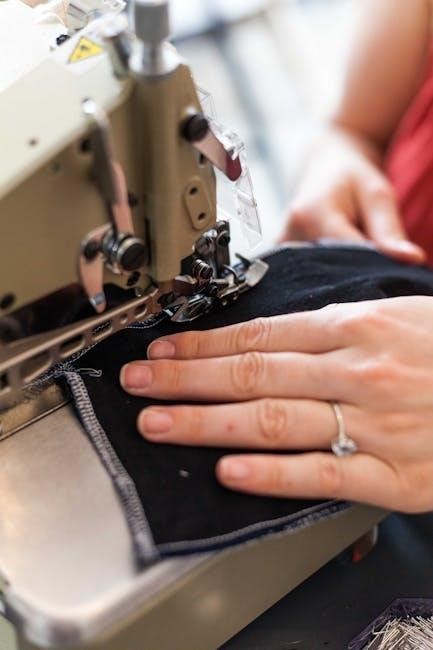
Morse sewing machine value hinges on model, condition, and included accessories. Popular models like the 4400 Fotomatic and well-maintained 2000ec command higher prices. Rarity and originality also contribute significantly. Generally, working machines in excellent cosmetic condition are most desirable to collectors and vintage sewing enthusiasts, increasing their market value.
Factors Influencing the Value of a Morse Machine
Several factors determine a Morse machine’s worth. Condition is paramount – excellent working order boosts value. Model rarity plays a role; the Fotomatic 4400 is highly sought after. Completeness, including attachments and the original foot pedal, increases desirability. Provenance, or known history, can also add value, as can overall aesthetic appeal and cosmetic condition.
Safety Precautions When Using a Morse Sewing Machine
Always ensure proper needle insertion to prevent breakage and injury. Disconnect the machine from power before changing needles or performing maintenance. Never force the fabric; let the machine do the work. Be mindful of electrical safety – inspect cords for damage. Keep fingers clear of the needle area during operation, and avoid loose clothing.
Proper Needle Insertion and Handling
Ensure the machine is off before changing the needle. Insert the needle firmly, with the flat side facing the back. Use the correct needle type for your fabric – universal, ballpoint, or denim. Avoid touching the needle’s point to prevent blunting. Dispose of broken needles carefully to avoid injury; Regularly replace needles for optimal stitching.
Electrical Safety Considerations
Always unplug the machine before performing any maintenance or repairs. Inspect the power cord regularly for damage – fraying or exposed wires. Never operate the machine with a damaged cord. Ensure the voltage of your power supply matches the machine’s requirements. Avoid using extension cords if possible; if needed, use a heavy-duty one. Do not expose the machine to water.
Morse sewing machines, built with Toyota quality, represent a durable era of home crafting. Maintaining these vintage machines—through cleaning, oiling with Tri-Flow, and sourcing parts from shops like Sew-Classic—ensures their continued functionality. Sharing knowledge via forums like Quiltingboard and Reddit keeps the legacy alive. Restoring and using these machines honors their history.