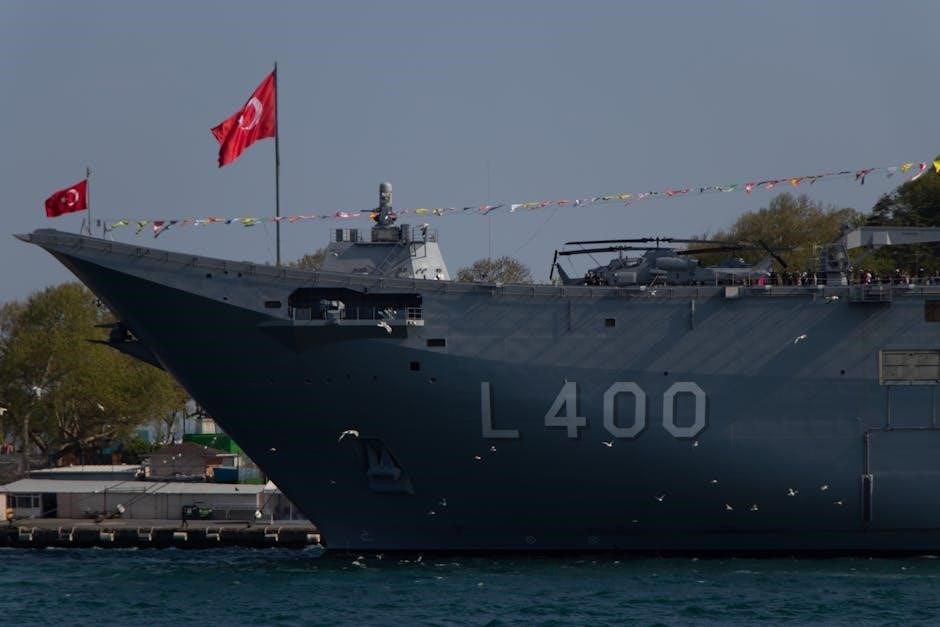

Understanding US naval firepower necessitates examining anti-ship missile ranges, particularly concerning Harpoon’s limitations against evolving threats, as detailed in available PDFs․
Current Landscape of Anti-Ship Warfare
The modern anti-ship warfare arena is dramatically shifting, demanding a reassessment of US Navy capabilities, particularly concerning missile ranges․ Contemporary threats increasingly leverage long-range, sophisticated anti-ship missiles, challenging the effectiveness of systems like Harpoon․ Analysis of publicly available PDFs reveals a concerning trend: US surface and submarine platforms struggle to project sufficient firepower due to limited missile inventories․
This necessitates firepower aggregation, yet Harpoon’s short range hinders effective coordination between ships․ Adversaries, historically, have prioritized systems capable of engaging carrier strike groups from beyond return-fire range, a capability the US currently lacks to consistently counter․ The landscape demands modernization and a focus on extended-range solutions․
Limitations of Existing US Systems (Harpoon)
The Harpoon missile, while historically significant, exhibits critical limitations in the current threat environment, as detailed in numerous naval analyses and PDFs․ Its relatively short range severely restricts firepower aggregation, requiring an impractical concentration of warships for a credible offensive․ Furthermore, Harpoon’s predictable flight path – a straight line until the terminal pop-up phase – makes it vulnerable to modern defenses․
Compared to Soviet/Russian systems designed to engage US carrier strike groups from standoff ranges, Harpoon lacks the necessary reach․ This deficiency necessitates reliance on air power, highlighting a critical gap in independent ship-launched anti-ship capabilities․
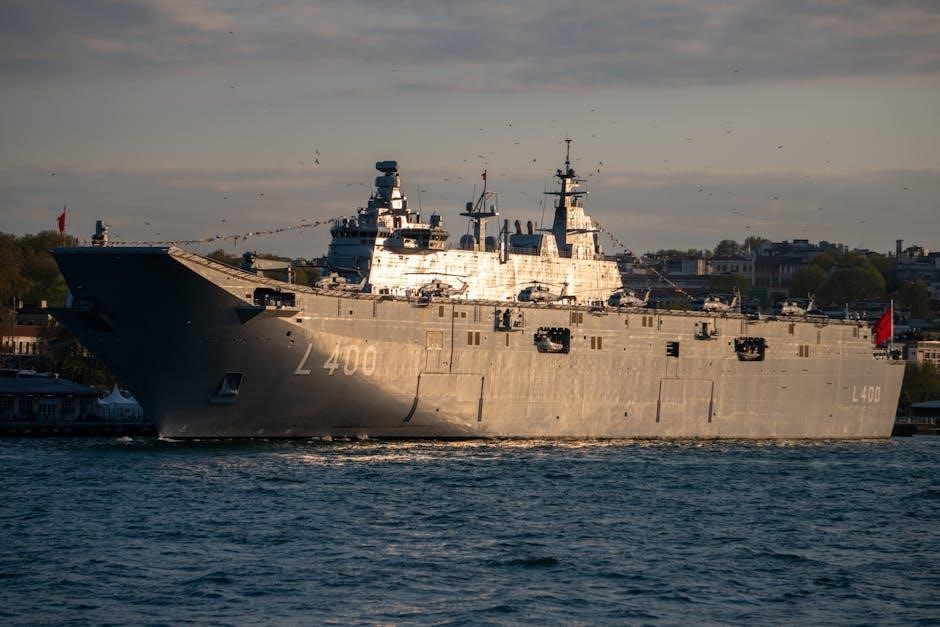
Harpoon Missile Details
Harpoon’s operational use and range, around 91 miles, are frequently discussed in US Navy documents (PDFs), revealing limitations in modern naval warfare scenarios․
Harpoon Range and Operational Use
The Harpoon missile, a mainstay of US naval forces, boasts a reported range of approximately 91 miles (146 kilometers)․ This range, detailed in numerous publicly available US Navy documents and PDFs, historically provided a significant standoff capability․ Operational use has primarily focused on surface warfare, targeting enemy ships and disrupting naval operations․ However, contemporary analyses, accessible through online resources, suggest this range is increasingly insufficient against advanced adversaries․
Its subsonic speed and predictable flight path, while offering relative simplicity, present vulnerabilities to modern defensive systems․ The limited range also restricts the ability to effectively engage targets at extended distances, necessitating closer proximity and increasing risk to launching platforms․ Consequently, the Harpoon’s operational effectiveness is becoming increasingly reliant on tactical deployment and integration with other assets․
Harpoon’s Limitations in Modern Warfare Scenarios
Harpoon’s relatively short range presents significant limitations in modern naval conflicts, as highlighted in recent strategic assessments available as PDFs․ Facing adversaries with long-range anti-ship missiles – like those historically deployed by the Soviets and now Russia – US warships are potentially vulnerable to strikes launched outside Harpoon’s effective engagement envelope․ The missile’s predictable, straight-line flight path further exacerbates these vulnerabilities, allowing for easier interception by advanced air defense systems․
Effective firepower aggregation is hampered by this limited range, requiring concentrated deployments to achieve sufficient saturation․ This concentration, however, increases the risk of a single, devastating counter-attack․ Consequently, reliance solely on Harpoon necessitates a shift towards leveraging air power for extended-range strikes․
The Need for Firepower Aggregation with Harpoon
Given Harpoon’s limited range and sparse inventories, achieving credible threat saturation against modern warships demands firepower aggregation – combining missile launches from multiple platforms, as detailed in US Navy documents (PDFs)․ However, the short range severely restricts the potential for effective collaboration between ship-launched Harpoon systems unless warships are concentrated to a considerable degree, increasing their collective vulnerability․
A single warship’s Harpoon capacity is often insufficient to overwhelm enemy defenses, necessitating coordinated strikes․ This reliance on massed fires highlights the critical need for enhanced missile volume and exploring alternative, longer-range solutions to bolster US naval capabilities․
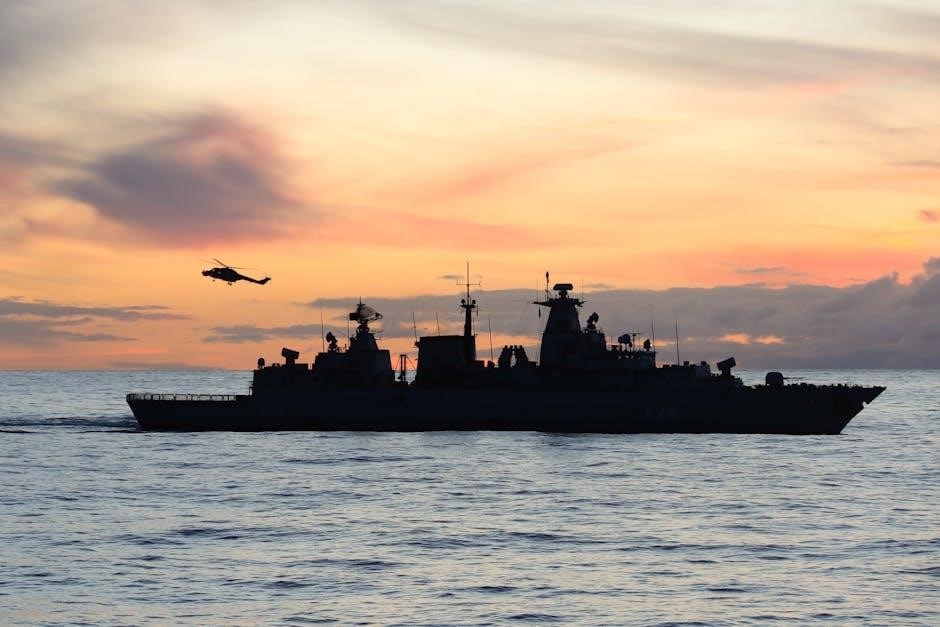
Emerging Anti-Ship Missile Threats
Modern adversaries possess long-range anti-ship missiles, exceeding Harpoon’s capabilities, necessitating analysis of their ranges and technologies via available US Navy PDFs․
Soviet/Russian Anti-Ship Missile Systems – A Historical Comparison
Historically, Soviet and Russian anti-ship missile systems prioritized range and saturation tactics, contrasting with the US focus on shorter-range, higher-volume approaches․ Documents, potentially found in US Navy PDFs, reveal that Soviet designs aimed to overwhelm defenses and strike carrier strike groups from beyond return-fire range․
This necessitated developing missiles capable of long-distance flight and complex maneuvering․ Unlike the relatively predictable path of Harpoon, these systems incorporated features to evade countermeasures․ Analyzing historical data, accessible through public sources and official reports, demonstrates a consistent Russian emphasis on long-range, intelligent, and heavy anti-ship weaponry – a direct response to needing to engage US CSGs effectively․
Long-Range Anti-Ship Missile Capabilities of Potential Adversaries
Potential adversaries, notably China, possess increasingly sophisticated long-range anti-ship missiles, posing a significant challenge to US naval dominance․ Publicly available data, including analyses of systems like the Taiwanese Hsiung Feng III (supersonic, launched from multiple platforms) and the French EXOCET MM40 BLOCK 3 (200km range), demonstrate a growing capability to strike US warships at extended distances․
These systems, detailed in various reports and potentially accessible via US Navy PDFs, often exceed Harpoon’s range, forcing a re-evaluation of US defensive strategies․ The ability to launch from air, sea, and land further complicates the threat landscape, demanding comprehensive countermeasures․

Alternatives and Upgrades to Harpoon
Exploring options like Tomahawk and leveraging air power are crucial, as Harpoon’s limited range necessitates considering alternative strike capabilities, per available PDFs․
Tomahawk as an Anti-Ship Weapon – Considerations
Utilizing the Tomahawk cruise missile in an anti-ship role presents intriguing possibilities, though careful consideration is paramount․ Originally designed for land attack, Tomahawk possesses significantly greater range than Harpoon, potentially addressing the range gap identified in naval strategy documents (available in PDFs)․ However, its slower speed and predictable flight path – until its terminal pop-up maneuver – make it more vulnerable to modern defenses․
Employing Tomahawk effectively requires integrating it with robust intelligence, surveillance, and reconnaissance (ISR) assets to overcome these vulnerabilities․ Furthermore, the cost per missile is substantially higher than Harpoon, impacting magazine depth and overall fleet sustainability․ PDFs detailing US Navy weapon systems highlight these trade-offs, emphasizing the need for a balanced approach to anti-ship capabilities․
The Role of Air Power in Anti-Ship Strikes
Given limitations in Harpoon’s range and the vulnerabilities of slower missiles like Tomahawk, air power emerges as a critical component of US anti-ship strategy․ Historical analyses (documented in publicly available PDFs) reveal the Soviet/Russian emphasis on long-range anti-ship missiles designed to engage Carrier Strike Groups beyond return fire range, necessitating a complementary air power response․
Aircraft can deliver a greater volume of firepower, employing diverse missile types with varying ranges and speeds․ Furthermore, air assets offer flexibility in targeting and can exploit gaps in enemy defenses․ However, reliance on air power introduces dependencies on carrier availability, land-based airfields, and potential enemy air defenses, factors detailed in US Navy operational documents (PDFs)․
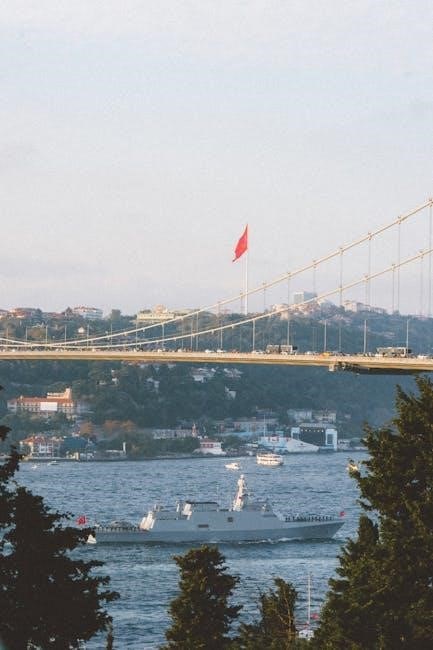
Long-Range Anti-Ship Missile Systems
Examining EXOCET MM40 BLOCK 3 (200km range) and Taiwan’s Hsiung Feng III, PDFs highlight alternatives to Harpoon, addressing range deficiencies for US warships․
EXOCET MM40 BLOCK 3 – Range and Capabilities
The EXOCET MM40 BLOCK 3 represents a significant leap in long-range anti-ship missile technology, offering a 200km operational range even within challenging maritime environments․ Publicly available documentation, including PDFs detailing naval systems, showcases its advanced capabilities․ This missile system provides enhanced lethality against modern warships, surpassing the range limitations of older systems like Harpoon․
Its sophisticated guidance system and low radar signature contribute to a higher probability of successful engagement․ Comparative analyses, often found in defense-related PDFs, demonstrate the EXOCET’s advantages in scenarios requiring extended reach and improved survivability against enemy defenses․ The MM40 BLOCK 3 is a crucial consideration when evaluating potential upgrades to US Navy anti-ship capabilities․
Taiwanese Hsiung Feng III – Supersonic Missile Overview
The Taiwanese Hsiung Feng III is a domestically produced, supersonic anti-ship missile capable of being launched from air, sea, and land platforms, presenting a versatile threat․ Information gleaned from defense reports and publicly accessible PDFs highlights its impressive specifications․ With a reported range comparable to US Harpoon missiles (approximately 91 miles), it offers a significant speed advantage due to its supersonic capabilities․
This increased velocity reduces reaction time for opposing naval vessels, complicating defensive measures․ Analysis within various PDFs suggests Taiwan’s development of this missile reflects a strategic need for robust anti-ship capabilities, particularly given regional geopolitical tensions and the need to deter potential adversaries․
US Navy’s Defensive Capabilities
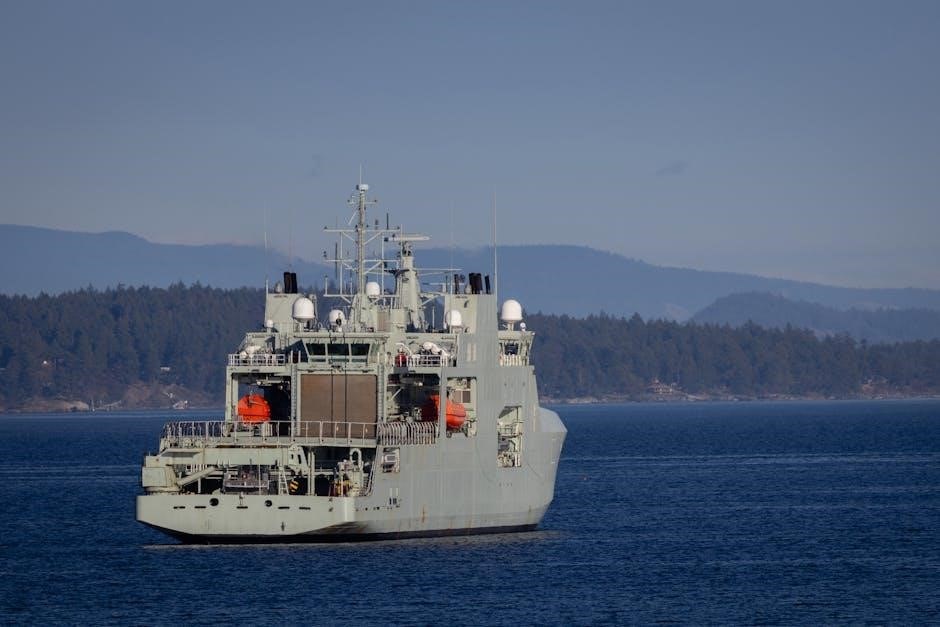
US naval defense relies on anti-air warfare systems and ballistic missile defense (like SM-3), detailed in Navy PDFs, to counter incoming missile threats effectively․
Anti-Air Warfare Systems and Their Range
US Navy warships employ layered anti-air warfare (AAW) systems designed to intercept diverse threats, including anti-ship missiles․ These systems, documented in official Navy PDFs, utilize radar-guided missiles with varying ranges․ Shorter-range systems, often below 10km, provide close-in defense against saturating attacks․ Medium-range systems, like the Standard Missile-2 (SM-2), extend engagement distances significantly, offering a broader defensive umbrella․
Longer-range capabilities are provided by the Standard Missile-3 (SM-3), primarily intended for ballistic missile defense, but also capable of engaging advanced anti-ship missiles at extended ranges․ However, effective range is heavily influenced by factors like target altitude, speed, and radar horizon limitations, as detailed in technical manuals available as PDFs․
Ballistic Missile Defense Systems (SM-3)
The Standard Missile-3 (SM-3), primarily a ballistic missile interceptor, presents a secondary capability against advanced anti-ship missiles, as outlined in US Navy documentation available in PDF format․ While designed for exoatmospheric engagements, its range and kinetic energy warhead can potentially counter hypersonic threats․ However, employing SM-3 against anti-ship missiles is costly and diverts resources from its primary BMD mission․
PDF analyses reveal SM-3’s effectiveness hinges on early detection and tracking, leveraging the ship’s radar systems․ Its extended range—potentially exceeding 500km—offers a layer of defense, but optimal engagement requires precise targeting and favorable intercept geometry, detailed in technical specifications found within official PDFs․
Future of US Anti-Ship Missile Technology
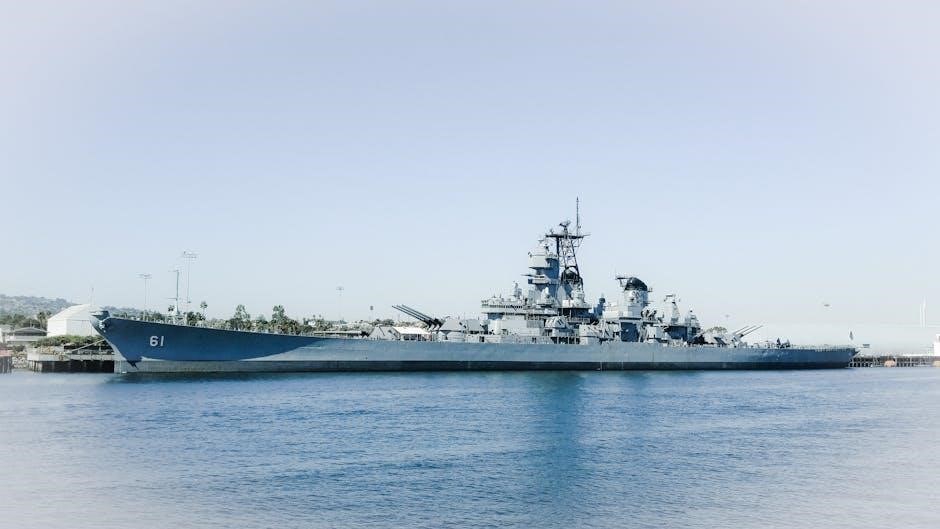
Development focuses on long-range systems and hypersonic integration, addressing range gaps identified in PDF reports concerning current US warship anti-ship capabilities․
Development of New Long-Range Anti-Ship Missiles
The US Navy is actively pursuing next-generation anti-ship missiles to counter increasingly sophisticated threats, as evidenced by analyses within publicly available PDF documents․ Current limitations with Harpoon’s range necessitate a shift towards weapons capable of engaging targets at significantly greater distances․ This includes exploring designs mirroring the capabilities of systems like the EXOCET MM40 BLOCK 3, boasting a 200km range, and Taiwan’s Hsiung Feng III․
These new missiles aim to overcome the challenges of firepower aggregation, allowing for more effective engagement without requiring excessive concentration of warships․ PDF resources highlight the importance of exceeding the ranges of potential adversaries’ systems, ensuring US naval forces can strike from standoff distances, minimizing risk and maximizing operational effectiveness․
Integration of Hypersonic Technology
Hypersonic missile technology represents a pivotal advancement in US anti-ship capabilities, as detailed in emerging PDF reports․ Integrating hypersonic speeds addresses critical limitations of existing systems like Harpoon, which fly on predictable paths․ These advanced weapons offer drastically reduced engagement times and increased difficulty for enemy defenses to intercept․
The development focuses on exceeding the ranges of adversaries’ long-range anti-ship missiles, ensuring US warships can maintain standoff distances․ PDF analyses suggest hypersonic missiles will fundamentally alter naval strategy, enabling preemptive strikes and enhancing survivability․ This integration is crucial for maintaining naval dominance in a rapidly evolving threat landscape․
Range Considerations for US Warships
Effective engagement hinges on minimum range, impacting tactical decisions; PDFs highlight Harpoon’s short reach necessitates concentrated firepower or risk vulnerability․
Minimum Range for Effective Engagement
Establishing a minimum engagement range is crucial for US warships, dictated by sensor capabilities and missile characteristics․ Analyzing publicly available PDFs reveals Harpoon’s limited range necessitates closing to potentially vulnerable distances․ This contrasts sharply with adversaries possessing longer-range systems, allowing them to strike from outside US defensive perimeters․ Effective engagement demands careful consideration of this range disparity, potentially requiring layered defenses and coordinated strikes․ The ability to dictate engagement range provides a significant tactical advantage, influencing the outcome of naval confrontations․ PDF resources detail the complexities of balancing offensive reach with defensive vulnerability, highlighting the need for modernized, longer-range anti-ship capabilities․
Impact of Range on Tactical Decision-Making
Range profoundly influences tactical choices for US warships, as detailed in analyzed PDFs․ Harpoon’s shorter range restricts standoff capabilities, potentially forcing closer, riskier engagements․ Commanders must weigh the benefits of early strikes against the vulnerability of approaching enemy defenses․ Longer-range adversary missiles dictate a more defensive posture, prioritizing self-preservation and counter-measures․ Effective tactical planning requires accurate range assessments and understanding of enemy capabilities․ PDFs highlight the need for fire aggregation to overcome Harpoon’s limitations, demanding complex coordination․ Range dictates fleet positioning, influencing overall naval strategy․
PDF Resources and Data Availability
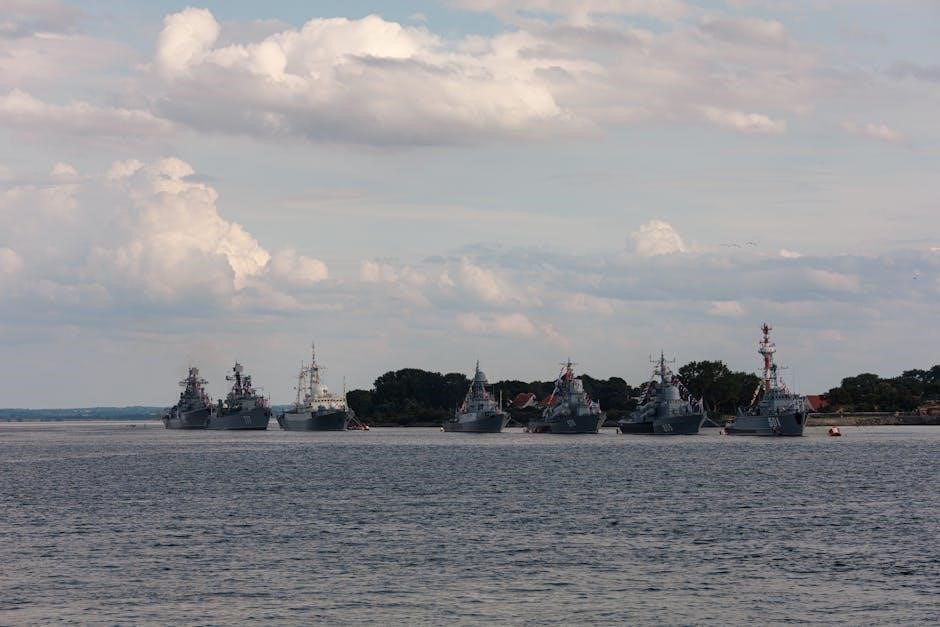
Official US Navy documents (PDFs) offer crucial range data, though analysis of publicly available sources is often needed to supplement information․
Locating Official US Navy Documents (PDFs)
Finding comprehensive, unredacted US Navy documentation regarding anti-ship missile ranges proves challenging․ Official PDFs detailing specific Harpoon performance characteristics are rarely publicly accessible due to security concerns․ However, resources like the Federation of American Scientists (FAS) and the Naval Institute Press often archive declassified reports and studies․
Government websites, including those of the Defense Technical Information Center (DTIC), may host relevant research papers, though access often requires registration or a fee․ Searching for program briefs, weapon system summaries, and historical evaluations can yield valuable data․ Freedom of Information Act (FOIA) requests represent another avenue, albeit potentially time-consuming, for obtaining specific documentation․
Analyzing Range Data from Publicly Available Sources
Extracting precise anti-ship missile range data requires careful analysis of diverse, often fragmented, sources․ While official US Navy PDFs are scarce, open-source intelligence (OSINT) provides estimates․ Reports indicate Harpoon’s range is approximately 91 miles, but operational ranges vary based on launch platform and mission profile․
Comparing data from defense industry publications, think tank analyses, and international military assessments is crucial․ Discrepancies often arise due to differing methodologies and classification levels․ Cross-referencing information with details on EXOCET MM40 BLOCK 3 (200km range) and Taiwanese Hsiung Feng III helps contextualize US capabilities․
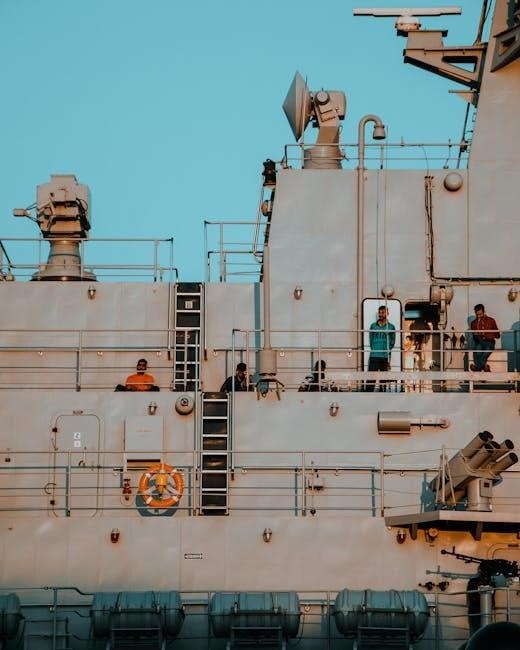
Comparative Analysis of Anti-Ship Missile Ranges
US Harpoon’s limited range contrasts sharply with Russian and Chinese systems, demanding modernization to maintain naval dominance, as detailed in available PDF reports․
US vs․ Russian/Chinese Missile Ranges
A significant disparity exists between US anti-ship missile ranges and those fielded by Russia and China․ The US primarily relies on the Harpoon, with a roughly 91-mile range, which is increasingly considered insufficient for modern engagements․ Conversely, Russian systems historically prioritized longer ranges to engage US Carrier Strike Groups (CSGs) outside of return fire capabilities․
Documents, including publicly available PDFs, reveal that Soviet/Russian missiles were designed for stand-off attacks, enabling launch platforms to retreat under land-based air cover․ Chinese advancements mirror this trend, developing long-range options․ This range differential necessitates a US response, potentially through upgrades or new missile development, to counter these emerging threats and maintain a credible deterrent․
Impact of Range on Naval Strategy
Limited missile range profoundly impacts US naval strategy, forcing a more reactive posture․ The short range of Harpoon necessitates closer engagement distances, increasing vulnerability to counter-fire and requiring concentrated firepower from multiple platforms – a challenging logistical feat․ PDFs analyzing naval engagements highlight the importance of standoff capabilities․
Conversely, adversaries with longer-range missiles can dictate engagement terms, potentially neutralizing US advantages․ This range disparity influences fleet deployment, escort strategies, and the prioritization of defensive systems․ Modernizing anti-ship capabilities is crucial for regaining strategic flexibility and maintaining dominance in a contested maritime environment, as detailed in various reports․
Modernizing anti-ship missiles is vital; PDFs reveal a critical need to close the range gap and ensure continued US naval dominance against emerging threats․
The Importance of Modernizing Anti-Ship Capabilities
Analyzing publicly available PDFs highlights a concerning trend: the limited range and volume of fire from US Harpoon missiles․ This creates vulnerabilities against adversaries possessing longer-range, more sophisticated anti-ship systems, as historically demonstrated by Soviet/Russian designs․
Effective firepower aggregation, crucial for overwhelming modern warships, is hampered by Harpoon’s short reach, necessitating risky platform concentration․ Modernization isn’t merely about range extension; it’s about achieving a credible deterrent․ Investing in longer-range options, like potentially adapting Tomahawk or developing entirely new systems, is paramount to maintaining naval dominance and ensuring US warships can effectively engage targets before falling within enemy strike envelopes․
Future Implications for US Naval Dominance
PDF analyses reveal a critical juncture for US naval power: failing to address the anti-ship missile range gap risks eroding dominance․ Adversaries are rapidly fielding long-range systems, potentially neutralizing US carrier strike groups before they can effectively respond, mirroring historical Soviet strategies․
Hypersonic missile integration and development of new long-range platforms are no longer optional, but essential․ Maintaining a credible deterrent requires exceeding adversary capabilities, ensuring US warships can project power and control vital sea lanes․ Ignoring this modernization imperative invites strategic vulnerability and challenges the long-held assumption of US naval superiority․