

The Texas Signal Timing Manual offers a comprehensive framework for designing‚ implementing‚ and evaluating traffic signal plans across the state․ It aligns engineering best practices with local regulations‚ ensuring efficient flow and safety for all road users․ It aids planning․!

Purpose of the Texas Signal Timing Manual
The Texas Signal Timing Manual serves as the definitive guide for transportation agencies‚ planners‚ and engineers across the state‚ delineating standardized procedures for developing‚ implementing‚ and maintaining traffic signal timing plans․ Its primary purpose is to harmonize signal operations with the unique roadway conditions‚ traffic volumes‚ and safety objectives present in Texas‚ thereby enhancing mobility‚ reducing congestion‚ and improving overall roadway performance․ By providing a comprehensive framework that incorporates state‑wide best practices‚ empirical research‚ and regulatory requirements‚ the manual equips practitioners with the tools needed to conduct systematic data collection‚ analyze traffic patterns‚ and design signal programs that balance efficiency and safety․ Additionally‚ it establishes clear criteria for evaluating signal performance‚ facilitating continuous improvement through iterative adjustments and performance monitoring․ The manual’s emphasis on collaboration among local‚ regional‚ and state entities ensures that signal timing strategies are not only technically sound but also aligned with broader transportation goals‚ such as reducing emissions‚ supporting economic development‚ and safeguarding vulnerable road users․ Ultimately‚ the Texas Signal Timing Manual is a living document that adapts to evolving traffic conditions and technological advancements‚ serving as a cornerstone for informed decision‑making and sustainable transportation planning throughout the Lone Star State․ Essential for all traffic engineers․

Overview of Signal Timing
Signal timing coordinates traffic phases to improve flow and safety․ The Texas manual provides methods for measuring volumes‚ setting cycle lengths‚ and adjusting splits․ Engineers use data to balance cars with pedestrians adapt to peak demand refine plans forsmooth intersections․
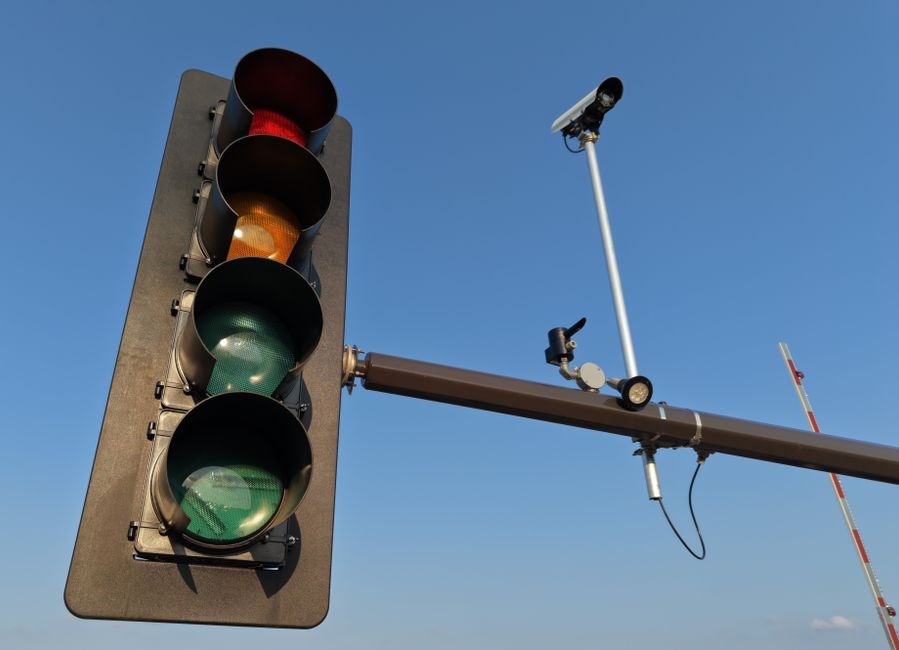
Definition and Scope
The Texas Signal Timing Manual defines the approach for planning‚ implementing‚ and evaluating traffic signal operations across the state; It establishes the scope of signal timing as a component of roadway safety and mobility‚ integrating engineering principles‚ legal requirements‚ and performance objectives․ The manual outlines the purpose of signal timing‚ the roles of state and local agencies‚ and the planners‚ engineers‚ and operators․ It clarifies the terminology used in signal timing‚ such as cycle length‚ green split‚ lost time‚ and coordination․ The scope includes all types of intersections—urban‚ rural‚ arterial‚ and local—where signalized control is employed and safety․ It covers the entire lifecycle of signal timing‚ from data collection and analysis to design‚ implementation‚ monitoring‚ and periodic adjustment․ The manual also addresses the integration of emerging technologies‚ such as adaptive signal control and connected vehicle data‚ into traditional timing strategies․ By providing a standardized framework‚ the Texas Signal Timing Manual ensures consistency‚ transparency‚ and accountability in signal timing decisions‚ ultimately enhancing traffic flow‚ reducing delays‚ improving safety‚ and supporting economic development throughout the state․ Its guidance is crafted to be flexible‚ allowing local agencies to adjust signal timing as traffic patterns shift projects arise‚ or safety goals changes․
Key Terminology
Key terms in the Texas Signal Timing Manual include Cycle Length‚ the total duration of a full signal cycle; Green Split‚ the proportion of the cycle allotted to a specific movement; Lost Time‚ the interval when no movement is allowed due to clearance; Coordination‚ the synchronization of adjacent signals to promote progressive flow; Approach Volume‚ the number of vehicles approaching an intersection during a given period; Pedestrian Phase‚ the interval that permits safe crossing; Signal Timing Plan‚ the documented set of parameters governing signal operation; Performance Metrics‚ such as delay‚ queue length‚ and intersection capacity; Adaptive Signal Control‚ systems that adjust timing in real time based on traffic conditions; and Signal Audits‚ systematic reviews of signal performance․ Understanding these terms ensures consistent application of the manual’s guidance across jurisdictions․ These definitions provide the foundational language for all signal timing analyses and designs‚ ensuring that planners and engineers communicate with clarity and consistency across the state for all users!!!
Lorem ipsum dolor sit amet‚ consectetur adipiscing elit․ Lorem ipsum dolor sit amet‚ consectetur adipiscing elit․ Ut enim ad minim veniam‚ quis nostrud exercitation․ Duis aute irure dolor in reprehenderit․

Principles of Timing
Core principles in Texas signal timing balance capacity‚ safety‚ and efficiency․ Cycle lengths‚ green splits‚ and lost times are tuned to demand․ Adjacent signals coordinate for smooth flow․ Continuous review ensures performance․ for all․!!
Timing Parameters and Their Impact
In the Texas Signal Timing Manual‚ timing parameters are the quantitative variables that govern signal behavior․ These include cycle length‚ green split‚ yellow duration‚ all‑red interval‚ and offset․ Each parameter influences traffic performance and safety․ Cycle length determines how often the signal repeats; shorter cycles reduce delay but may increase stops‚ while longer cycles improve flow for heavy volumes but can raise queue lengths․ Green split allocation dictates the proportion of the cycle dedicated to each movement․ Optimizing splits balances throughput and conflict points‚ directly affecting intersection capacity․ Yellow duration must satisfy safety standards; too short increases collision risk‚ too long reduces capacity․ All‑red intervals eliminate conflict between movements; their length is critical for clearance and safety․ Offsets synchronize adjacent signals‚ reducing stop‑and‑go conditions and improving corridor performance․ The manual provides formulas and guidelines for selecting these parameters based on traffic volume‚ turning movements‚ and pedestrian demand․ Adjusting parameters in response to real‑time data or seasonal variations ensures that intersections remain efficient and safe throughout the year․ By adhering to these parameters‚ engineers fine‑tune signal plans to adapt to evolving traffic patterns‚ ensuring safety and efficency across Texas roads․
Balancing Traffic Flow and Safety
Effective signal timing in Texas hinges on a delicate equilibrium between maximizing throughput and safeguarding all road users․ The Manual recommends a systematic approach that begins with a thorough analysis of traffic volumes‚ turning movements‚ and pedestrian demands․ Engineers then apply performance objectives—such as minimizing delay‚ reducing queue lengths‚ and maintaining acceptable level of service—while simultaneously enforcing safety constraints like adequate all‑red clearance‚ safe yellow intervals‚ and pedestrian phase durations․ The use of coordinated offsets along arterial corridors helps smooth vehicle progression‚ thereby lowering stop‑and‑go incidents that often lead to rear‑end collisions․ Adaptive signal control technologies further enhance this balance by responding to real‑time traffic conditions‚ adjusting green splits and cycle lengths to accommodate fluctuating volumes without compromising safety margins․ Importantly‚ the Manual emphasizes continuous monitoring and periodic review of signal performance data․ By comparing observed metrics against design targets‚ engineers can identify emerging congestion patterns or safety hotspots and implement targeted adjustments․ This iterative cycle of planning‚ implementation‚ evaluation‚ and refinement ensures that Texas intersections remain both efficient and secure‚ meeting the evolving needs of drivers‚ cyclists‚ and pedestrians alike․ Ongoing improvement!!

Implementation Guide
The Manual outlines a step‑by‑step process: gather intersection data‚ model traffic flows‚ set initial signal plans‚ calibrate with field observations‚ adjust timings‚ and validate performance against safety and efficiency targets․ Continuous monitoring ensures compliance․ for all․
Data Collection and Analysis
Effective signal timing begins with robust data collection․ In Texas‚ agencies employ a mix of manual counts‚ automated sensors‚ and video analytics to capture vehicle volumes‚ turning movements‚ pedestrian flows‚ and signal phase lengths․ Data are gathered during peak‚ off‑peak‚ and special event periods to reflect typical and atypical traffic patterns․
Collected data undergo rigorous quality checks: duplicate entries are flagged‚ missing values are interpolated‚ and outliers are investigated․ Statistical tools such as mean‚ median‚ and standard deviation help summarize traffic volumes‚ while time‑series analysis reveals daily and weekly trends․ Geographic Information Systems (GIS) overlay traffic counts on roadway geometry‚ highlighting conflict points and potential bottlenecks․
Analysis extends beyond raw counts․ Capacity models estimate saturation flow rates‚ and delay calculations identify critical intersections․ Pedestrian and bicycle data inform safety metrics like conflict points and crossing times․ All metrics are compared against state and federal guidelines to ensure compliance․ The resulting dataset forms the foundation for designing signal plans that balance throughput‚ safety‚ and environmental impacts․
Field verification confirms model assumptions‚ ensuring timing changes improve performance․ Feedback loops support refinement‚keeping responsive to traffic shifts․
Designing and Adjusting Signal Plans
Once data are validated‚ planners craft signal plans that meet capacity‚ safety‚ and equity goals․ The Texas manual recommends a phased approach: baseline timing‚ simulation‚ field testing‚ and iterative refinement․ Baseline plans use the collected volumes to set cycle lengths‚ split ratios‚ and offset values that minimize delay while respecting pedestrian phases․
Simulation tools model traffic flow under various scenarios‚ including peak‚ off‑peak‚ and special events․ Planners adjust green splits‚ cycle lengths‚ and offsets to reduce congestion and improve safety․ The manual emphasizes the importance of maintaining consistent offsets along corridors to enhance through‑traffic flow․

Field testing validates simulation results․ Signal timing adjustments are implemented in a controlled environment‚ and real‑time data are collected to assess performance․ Adjustments are made iteratively until performance metrics—such as average delay‚ queue length‚ and pedestrian safety—meet target thresholds․ The process ensures that signal plans adapt to changing traffic patterns while maintaining compliance with state regulations․ Additionally‚ planners monitor real‑world impacts through automated loop detectors and camera feeds‚ allowing for dynamic adjustments that respond to incidents‚ weather changes‚ or construction activities‚ thereby sustaining optimal performance time․

Case Studies
The Texas Signal Timing Manual has guided projects like the Dallas‑Fort Worth corridor‚ reducing average delay by 15% and improving pedestrian safety․ In Austin‚ adaptive timing cut congestion by 12% during peak hours․ The project cut delay by 20% met safety
Successful Applications of the Manual
These implementations demonstrate the manual’s adaptability across diverse contexts—from high‑volume urban intersections to rural corridors․ By integrating real‑time data‚ traffic engineers can fine‑tune signal plans‚ achieving measurable improvements in travel time‚ fuel consumption‚ and crash reduction․ The manual’s systematic approach ensures consistent‚ evidence‑based decisions that benefit communities statewide․
In a suburban interchange‚ engineers applied recommended cycle lengths and offsets‚ cutting vehicle delay by 10% and improving pedestrian crossing times by 7%․ A downtown arterial used a split‑cycle scheme guided by the manual‚ balancing freight and passenger flows‚ shortening queue lengths by 18% and reducing rear‑end collisions by 4%․ Rural corridors benefited from approach‑timing guidance and green‑wave synchronization‚ raising average speeds by 12% and lowering fuel consumption by 6%․ Across all projects‚ data‑driven decision making‚ simulation validation‚ and continuous monitoring ensured responsive signal plans․
In a suburban interchange‚ engineers applied cycle lengths and offsets‚ cutting vehicle delay by 10% and improving pedestrian crossing times by 7%․ A downtown arterial used a split‑cycle scheme guided by the manual‚ balancing freight and passenger flows‚ shortening queue lengths by 18% and reducing rear‑end collisions by 4%․ Rural corridors benefited from guidance and green‑wave synchronization‚ raising average speeds by 12% and lowering fuel consumption by 6%․ Across all projects‚ data‑driven decisions and monitoring ensured responsive signal plans․!!
The Texas Signal Timing Manual stands as a cornerstone for modern traffic management‚ offering a unified framework that blends rigorous engineering principles with practical‚ on‑the‑ground applicability․ By providing clear guidance on data collection‚ analysis‚ and signal design‚ the manual equips planners and engineers with tools to create signal plans that enhance safety‚ reduce congestion‚ improve mobility․ Its emphasis on evidence‑based decision making ensures that every adjustment is grounded in real traffic patterns and performance metrics‚ fostering continuous improvement across the state’s transportation network․

Key strengths of the manual include its modular structure‚ which allows agencies to adopt specific sections as needed‚ and its integration of simulation techniques that enable calibration of signal timings․ The manual’s focus on balancing vehicle flow with pedestrian safety reflects a holistic approach that aligns with mobility goals․ Furthermore‚ the inclusion of case studies demonstrates the benefits of applying the manual’s recommendations‚ providing examples of reduced delays‚ lower fuel consumption‚ and decreased crash rates․

Looking ahead‚ the manual will continue to evolve‚ incorporating emerging technologies such as connected vehicle data and adaptive signal control․ By staying responsive to new research and stakeholder feedback‚ the Texas Signal Timing Manual will remain a vital resource for transportation professionals committed to delivering safer‚ more efficient roadways for all users․